Back to blog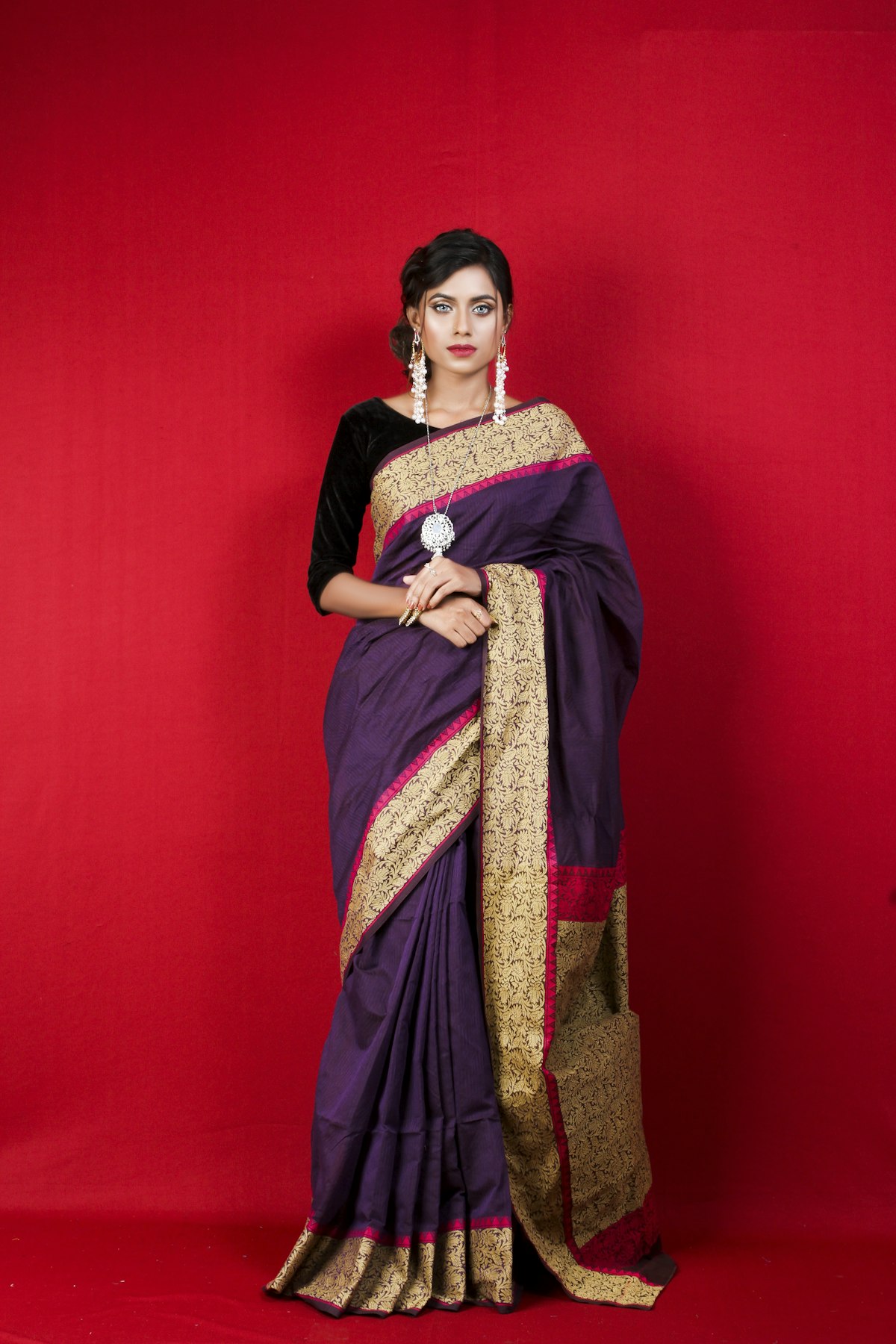
Founder Story
What a ₹2-Crore Telangana Brand Looked Like Before It Had a Brand
5 min read·17 Jun 2026
A weaver in Pochampally. A handwritten ledger. Twelve looms that never had a name. This is the story of how one cooperative grew into a ₹2-crore brand without changing a single thread — only by being seen.
*Names have been changed at the family's request. The numbers are real.*
In 2021, Lakshmi ran a twelve-loom cooperative in Pochampally. Twelve looms, sixteen women, three generations of Ikat weaving. The cloth was extraordinary. The business was barely surviving.
Here is what her business looked like before TheVendorise found her.
## The ledger
A blue-lined notebook, hand-written. Customer name, quantity, price, "paid / not paid." That was the entire ERP. Some pages had tea stains. Some pages were missing. When a buyer in Mumbai called for a bulk order, Lakshmi had to flip through six months of pages to find his last order so she could quote a fair price. It took twenty minutes. Most buyers did not wait twenty minutes.
## The packaging
A polythene bag. Stapled, sometimes. Inside, a saree worth ₹4,500 — folded perfectly by a woman who had been folding sarees for forty years. The polythene was the same polythene the local kirana used for sugar.
## The price
Whatever the buyer offered. Lakshmi had no benchmark. She knew her cost down to the rupee — yarn, dye, labour, loom maintenance — but she had no way to know what the same saree sold for in a Hyderabad boutique. The boutique knew. She did not.
## The story
Lakshmi could tell you about her grandmother. About the natural indigo. About why the warp threads had to be tied a specific way for an Ikat pattern to bleed correctly. She had told this story a thousand times to family. She had never told it to a buyer. There was no place to tell it. The polythene bag did not have a story panel.
---
## What changed
Three things changed. None of them changed the loom.
**One — a label.** A simple kraft-paper tag with the cooperative's name, the district, four lines of story, and a QR code that opened to her District IP Grid profile. Cost: ₹6 per saree. Effect on price: +₹400 per saree, sustained.
**Two — a profile.** Verified location, real photos of the looms, three customer reviews, her phone number. When the Mumbai buyer called back, his next move was to scan the QR code on the tag before the call. He arrived already trusting.
**Three — a price floor.** Cost-plus pricing, set with our team, published on the profile. The buyer who used to negotiate her down 30% could not negotiate her down anymore, because the price was now public. Negotiation shifted to volume and timeline — which is where it should have been from the beginning.
---
## The number
Two years later, the cooperative does ₹2 crore in annual sales. Sixteen women became twenty-four. The handwritten ledger is now a free spreadsheet on a five-thousand-rupee Android tablet. Her grandmother's photograph is on the inside flap of every saree tag.
Nothing about the cloth changed.
Lakshmi did not learn to weave better than her grandmother. Her grandmother taught *her*. The cloth was already worth ₹2 crore worth of demand. The market simply could not find it.
That is what branding does. It does not make the product better. It makes the product *findable*. And findable, for a vendor in a Telangana district, is the difference between a dying loom and a hiring one.
---
## What this means for you
If you are reading this and you run a workshop, a mill, a small kitchen, a dairy — you may not need a better product. You may not need more capital. You may not need a national marketing campaign.
You may just need to be findable.
The District IP Grid is how we make that happen. Your pin is waiting.